Hokkaido Rules Out 2027 Casino Resort Bid, Urges Japan to Ease Facility Standards
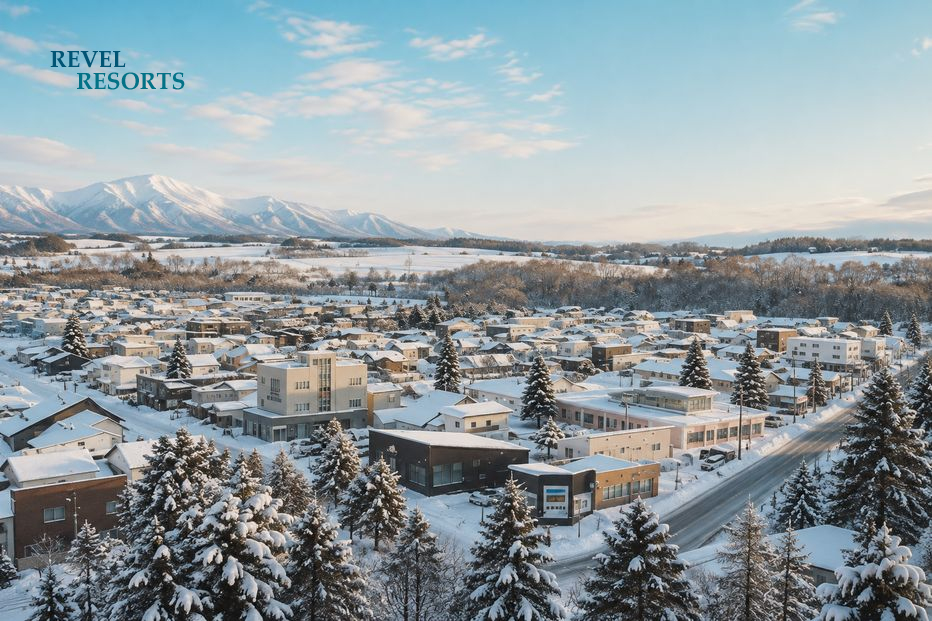
Hokkaido punts on the 2027 bid, calls for friendlier rules
Hokkaido has decided not to submit a full integrated resort proposal with a casino in Japan’s next national application window (May–November 2027). Instead, the prefecture is asking the central government to loosen core IR requirements so they could jump in during a later round. Governor Naomichi Suzuki shared the decision with Hokkaido Shimbun, and while the doors for 2027 remain closed, the region will keep exploring the resort concept and crunching numbers.
MICE facilities are the focal point
The key ask centers on making it easier to plan facilities for meetings, incentives, conferences, and exhibitions—think international conference centers, exhibition halls, and suitable hotels. Hokkaido says relaxing these criteria should be a prerequisite for any future IR discussion, effectively keeping 2027 participation separate from ongoing interest in a future proposal.
Context: IR Act, authorities, and current status
The IR Act envisions up to three integrated resorts nationwide. So far, only MGM Osaka has secured approval. The colossal project is valued at about 1.51 trillion yen (roughly US$9.5 billion), currently under construction and slated to open in the late 2030s. Hokkaido’s decision means no 2027 bid, but research into the resort idea will continue.
Details: the six facility types under the IR Act
Japan’s IR framework defines six facility categories for a potential integrated resort. These include convention and conference spaces, trade show and exhibition venues, and hotel/accommodation. The other three categories cover facilities aimed at boosting tourism and attracting travelers to explore more of the country. The rules tie conference hall capacity to the required exhibition space, so bigger conferences come with larger exhibition floors, and there’s a minimum hotel footprint of 100,000 square meters.
Three cabinet options for conference and exhibition venues
A cabinet order from 2019 lays out three possible configurations: (1) a conference center for at least 6,000 attendees with 20,000 square meters of exhibition space; (2) a conference center for 3,000–6,000 attendees with 60,000 square meters of exhibition space; (3) a conference hall for 1,000–3,000 attendees with 120,000 square meters of exhibition space. It’s basically a space-and-seats game that also requires a 100,000 square meter hotel area minimum.
What this means for Hokkaido and Japan’s IR roadmap
With these standards on the table, Hokkaido’s push is to ease facility requirements while highlighting the importance of non-urban regions. The aim is to keep future proposals viable for more than just big-city hubs, promoting regional opportunities without sacrificing the IR concept.
Bottom line
Hokkaido isn’t giving up on the idea; they’re just hitting pause on 2027 and refocusing on how the project could fit the region. For context, MGM Osaka remains the only current IR project moving forward, with its massive resort expected to be ready by the end of the decade.
Source: GGR Asia